Skip to content

About Peneda-Gerês
National Park
History, nature, culture and a territory unlike any other in the Iberian Peninsula
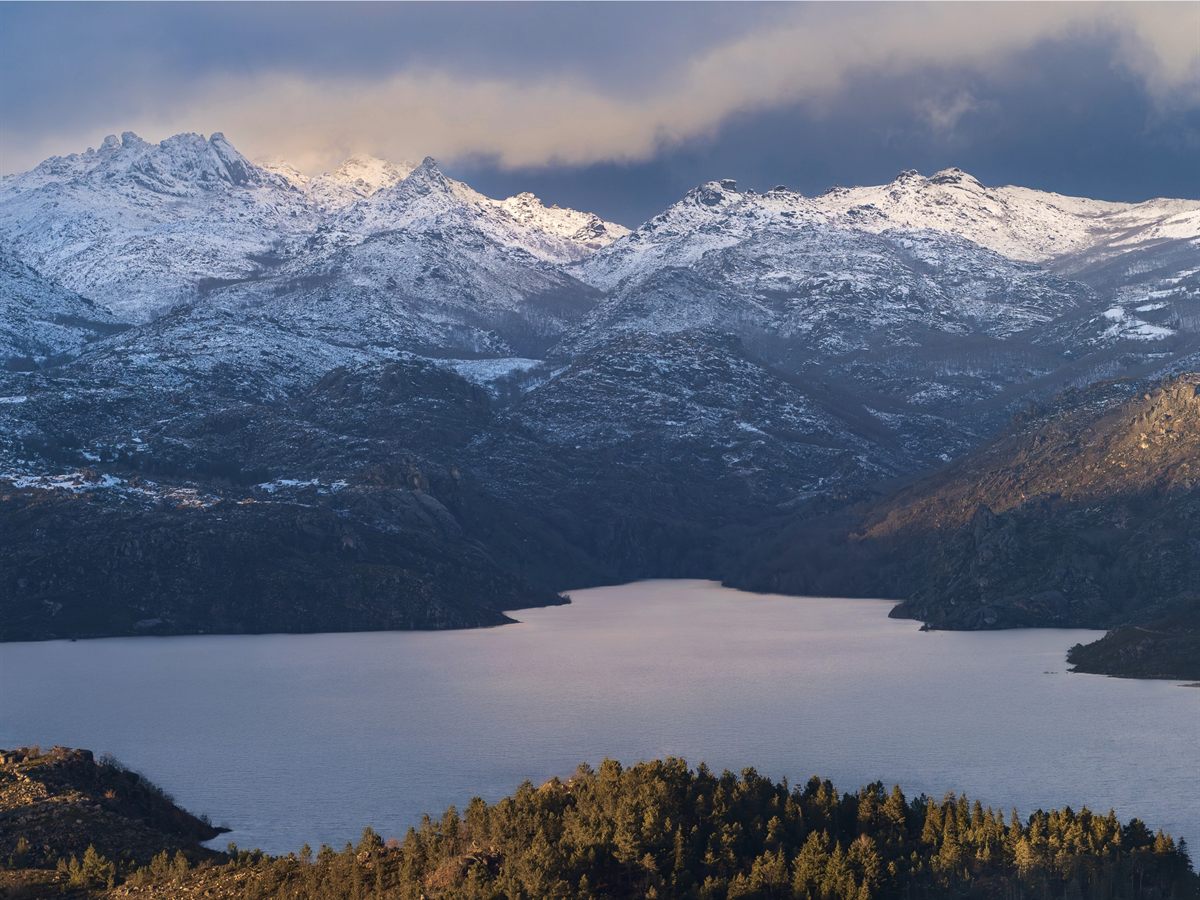
Snow-capped mountains above the reservoir in Peneda-Gerês National Park

Portugal's only national park

A unique ecosystem in the Iberian Peninsula

Peneda-Gerês National Park was created on 8 May 1971 by Decree-Law 187/71, making it Portugal's first and only national park. Covering 70,246 hectares, it spans the municipalities of Arcos de Valdevez, Melgaço, Montalegre, Ponte da Barca and Terras de Bouro.

The park takes in four main mountain ranges — Serra da Peneda, Serra do Soajo, Serra Amarela and Serra do Gerês — and borders Spain's Baixa Limia-Serra do Xurés Natural Park to the north and east, forming a cross-border ecological corridor of European importance.

It is designated a Council of Europe Biogenetic Reserve and Special Protection Area, and is part of the Natura 2000 network — recognition of its exceptional biodiversity and conservation value on a continental scale.

70 246

Protected hectares

1 545 m

Highest peak (Nevosa)

+800

Plant species

+140

Animal species

5

Municipalities

Timeline

The history of the National Park

From its creation in 1971 to European recognition, Peneda-Gerês National Park has seen more than five decades of conservation, research and care for its unique territory.

1971

1971

Peneda-Gerês National Park created by Decree-Law 187/71 of 8 May — Portugal's first and only national park

1971

1977

1977

Designated a Council of Europe Biogenetic Reserve

1988

1988

Legal protection of the Iberian wolf in Portugal — Law 90/88

1988

1993

1993

Creation, in Galicia, of the Baixa Limia–Serra do Xurés Natural Park, the national park's neighbour

1997

1997

Creation of the Gerês-Xurés Cross-Border Park and inclusion of the Peneda/Gerês site in the Natura 2000 network

1997

1999

1999

Serra do Gerês designated a Special Protection Area (SPA) — Natura 2000 network

2009

2009

UNESCO declares the Gerês-Xurés Transboundary Biosphere Reserve

2009

2012

2012

Creation of ICNF — the Institute for Nature Conservation and Forests, which takes over management of the park

2021

2021

The National Park's 50th anniversary — celebrations and new conservation projects

2021

Territory

Explore the Park

Peneda-Gerês National Park is a mosaic of granite landscapes shaped by millions of years of erosion. Four main mountain ranges, dozens of watercourses, upland bogs and extensive oak woods form one of the most complete ecosystems in the Iberian Peninsula.
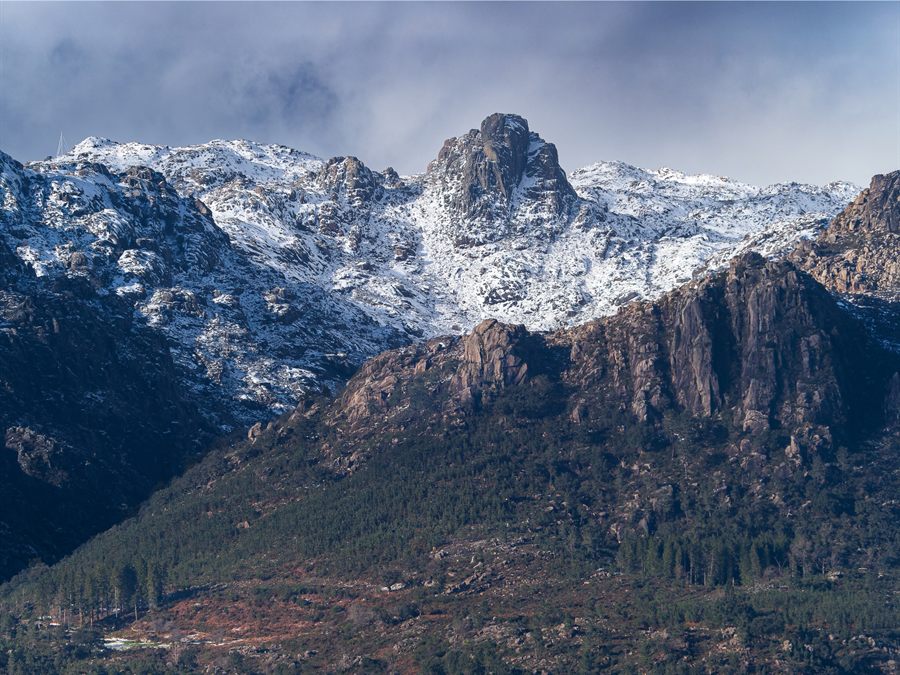
Serra do Gerês with snow and granite crags

The four mountain ranges

MountainsSerra da Peneda (1,416 m), Serra do Soajo (1,160 m), Serra Amarela (1,359 m) and Serra do Gerês (1,545 m at Nevosa). Hercynian granites sculpted by frost and water over geological ages.
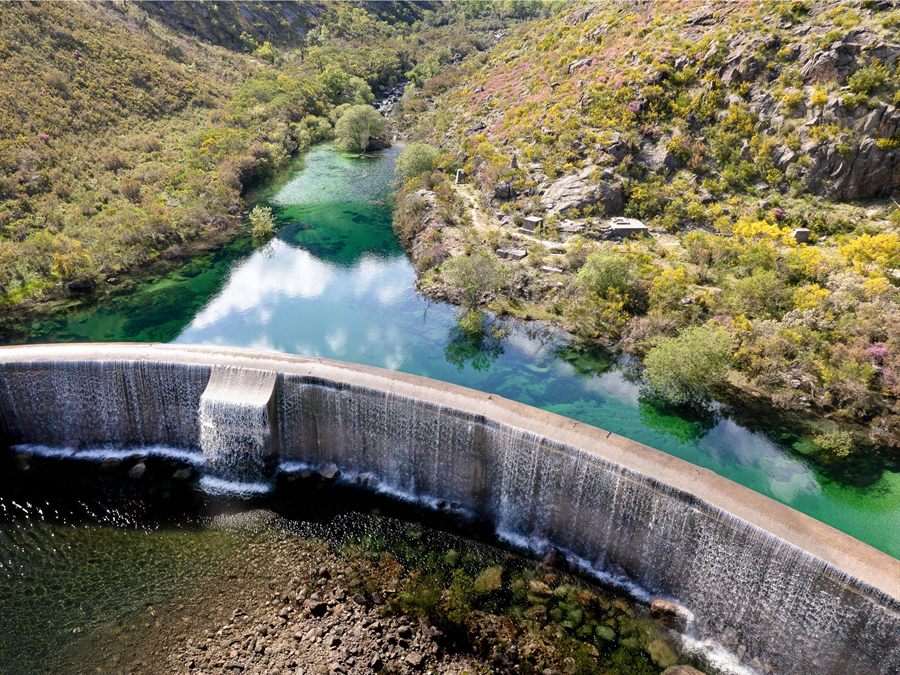
Dam and reservoir between the mountains of Peneda-Gerês National Park

Rivers and reservoirs

RiversThe Lima, Cávado and Homem rivers rise in or flow through the park. The Vilarinho das Furnas, Caniçada and Portela do Homem dams are scenic and historic landmarks — Vilarinho flooded the village of the same name in 1972.
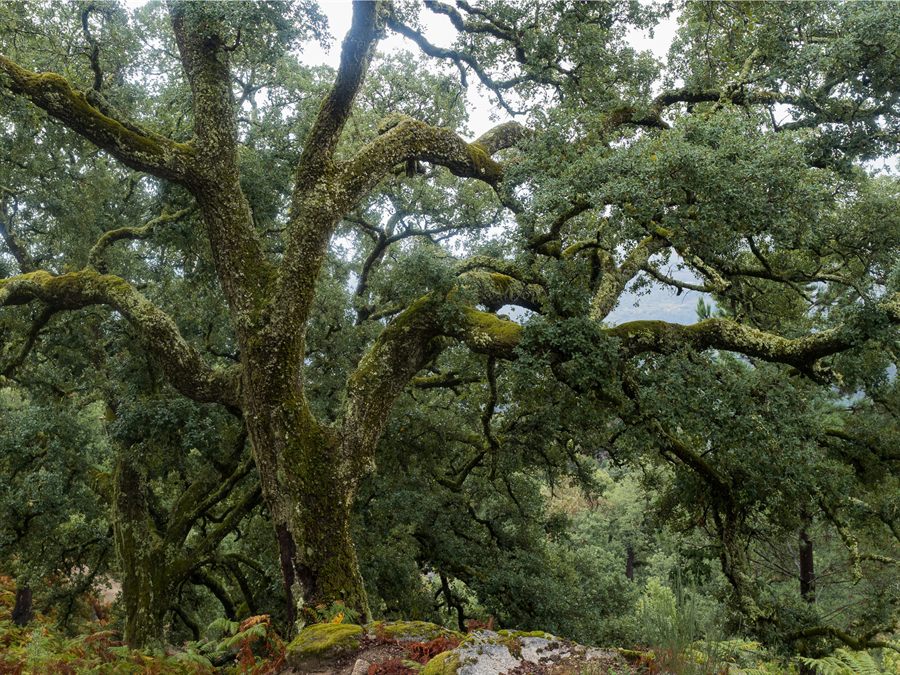
Ancient oak wood with moss-covered trees in Peneda-Gerês National Park

Habitats and biodiversity

EcosystemsOak woods of Quercus robur and Q. pyrenaica, upland bogs, heathland, mountain meadows and riverside woodland form a mosaic of habitats protected under the EU Habitats Directive.

Wildlife & Flora

The Park's iconic species

Peneda-Gerês National Park shelters one of the richest concentrations of biodiversity in the Iberian Peninsula. From apex predators like the Iberian wolf to endemic plants like the Gerês lily, every species tells the story of an ecosystem in balance.

EN

Endangered

VU

Vulnerable

NT

Near Threatened

LC

Least Concern

Conservation status according to the IUCN Red List and the Red Data Book of Portuguese Vertebrates.
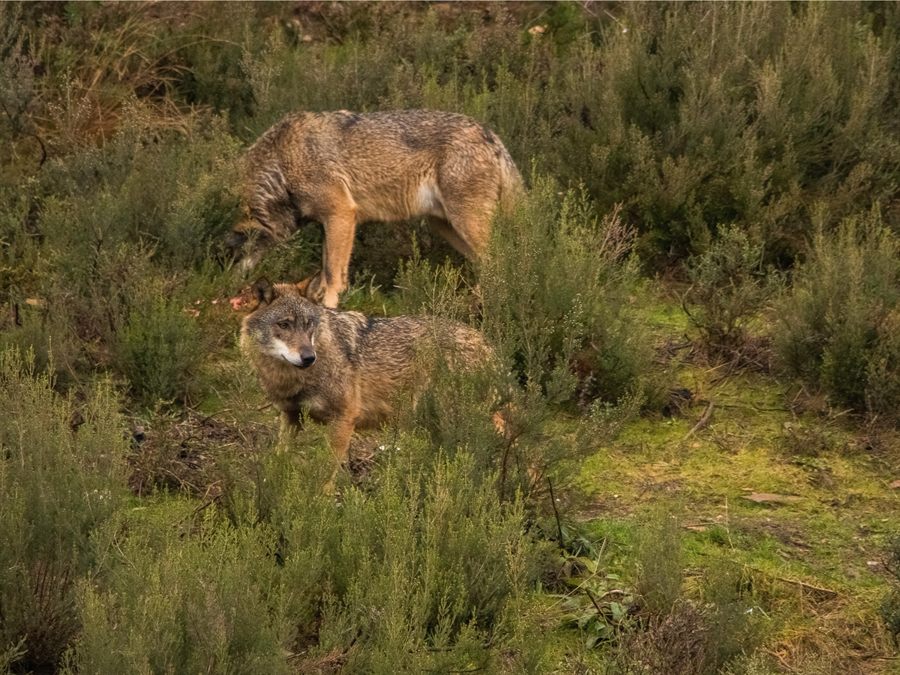
Two Iberian wolves among the vegetation of Peneda-Gerês National Park

EN

Endangered

Iberian Wolf

Mammal · Canis lupus signatus

The ecosystem's apex predator, the Iberian wolf is the park's ultimate symbol. Protected by law since 1988, its presence keeps wild ungulate populations in balance.

Sightings: dusk and night · winter and spring
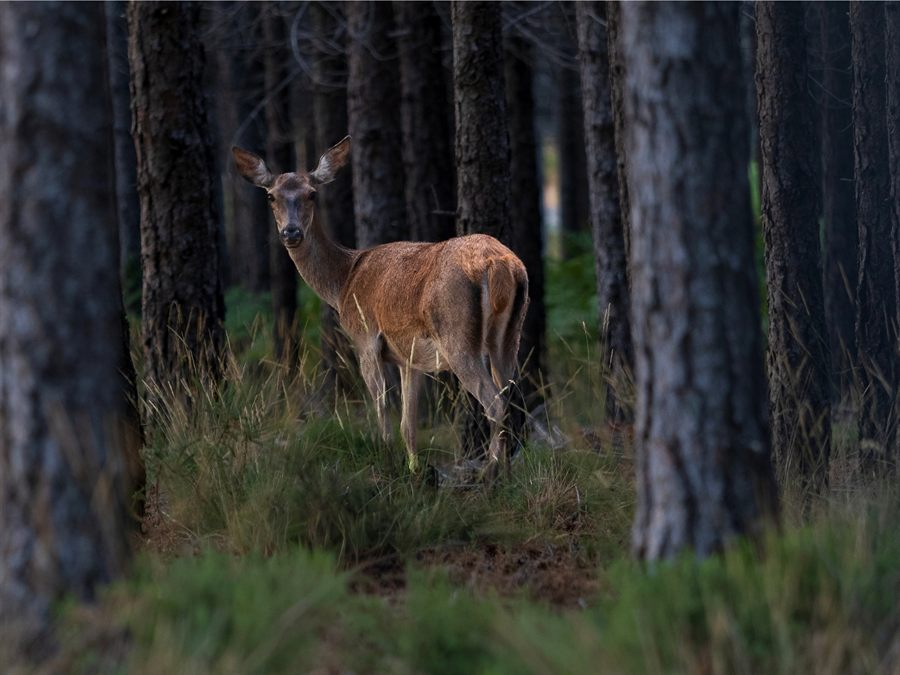
Roe deer in a forest in Peneda-Gerês National Park

LC

Least Concern

Roe Deer

Mammal · Capreolus capreolus

The most graceful of the Iberian deer, found in meadows and along woodland edges. Its presence is an indicator of healthy forest ecosystems in the park.

Sightings: dawn and late afternoon · all year
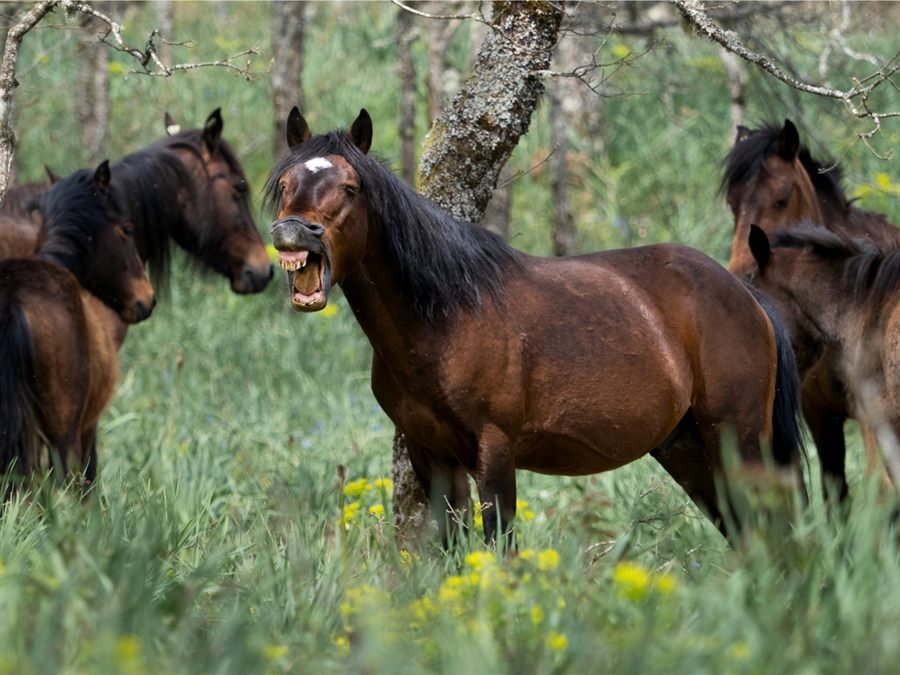
Group of garrano horses in a wood in Peneda-Gerês National Park

VU

Vulnerable

Garrano Horse

Mammal · Equus caballus (native breed)

A small native Portuguese breed that lives semi-wild in the mountains. Garranos have been part of the park's landscape and cultural identity since prehistoric times.

Sightings: open upland areas · all year
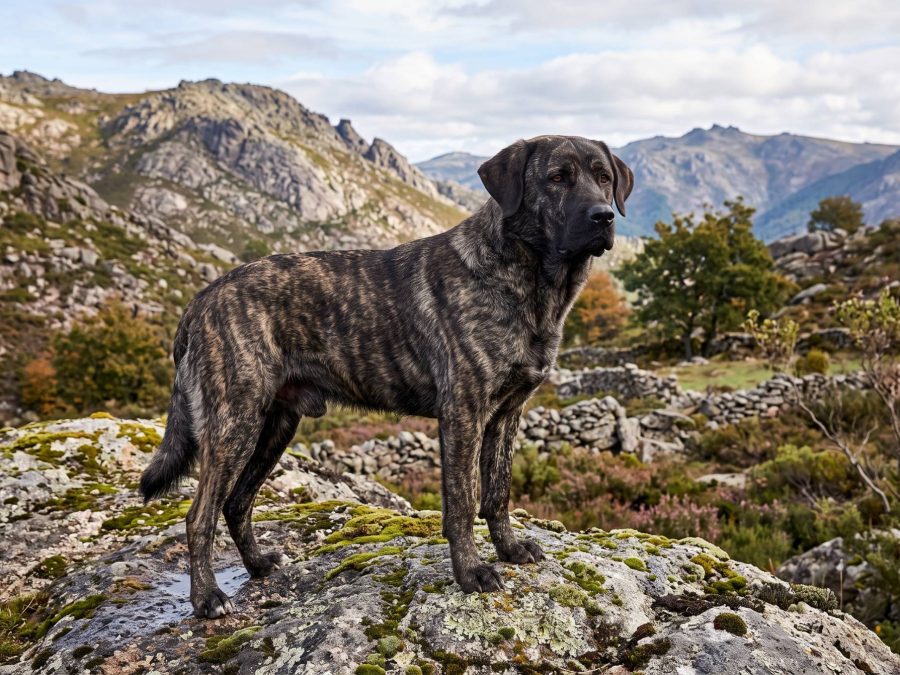
Brindle Castro Laboreiro dog standing on a granite boulder in the mountains of Peneda-Gerês National Park

VU

Vulnerable

Castro Laboreiro Dog

Native dog breed · Canis lupus familiaris

A Portuguese breed from the village of Castro Laboreiro, used for centuries as a livestock guardian dog. Its hardiness and independent temperament are adaptations to the harsh mountain climate.

Closely linked to the park's communal villages
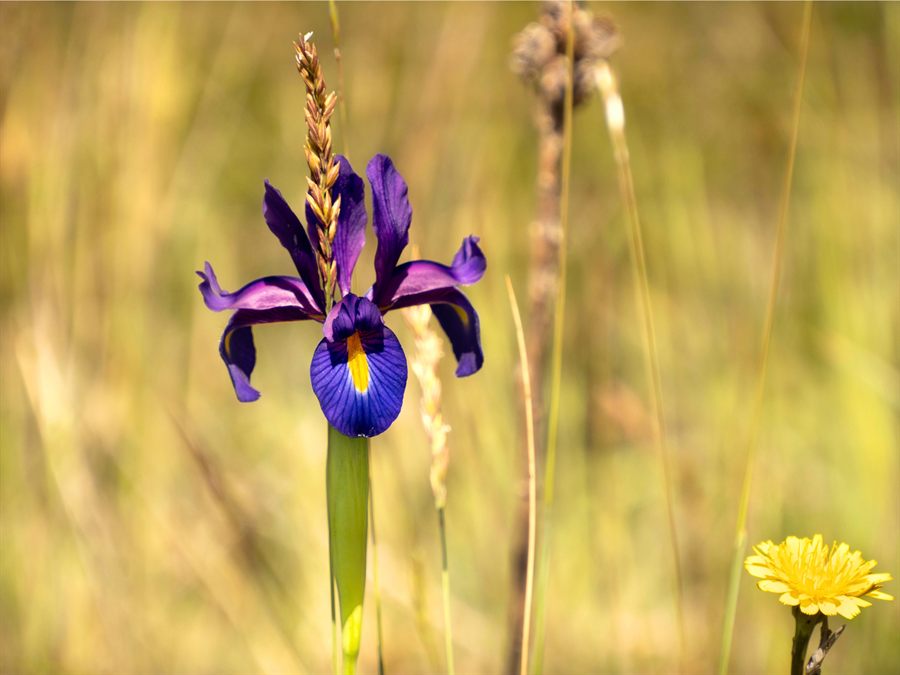
Violet lily in bloom in a meadow in Peneda-Gerês National Park

VU

Vulnerable

Gerês Lily

Endemic flora · Iris boissieri

The park's floral emblem and, in Portugal, found only in this territory. It blooms in May and June on upland meadows and slopes, carpeting the mountains in violet.

Flowering: May–June · upland meadows

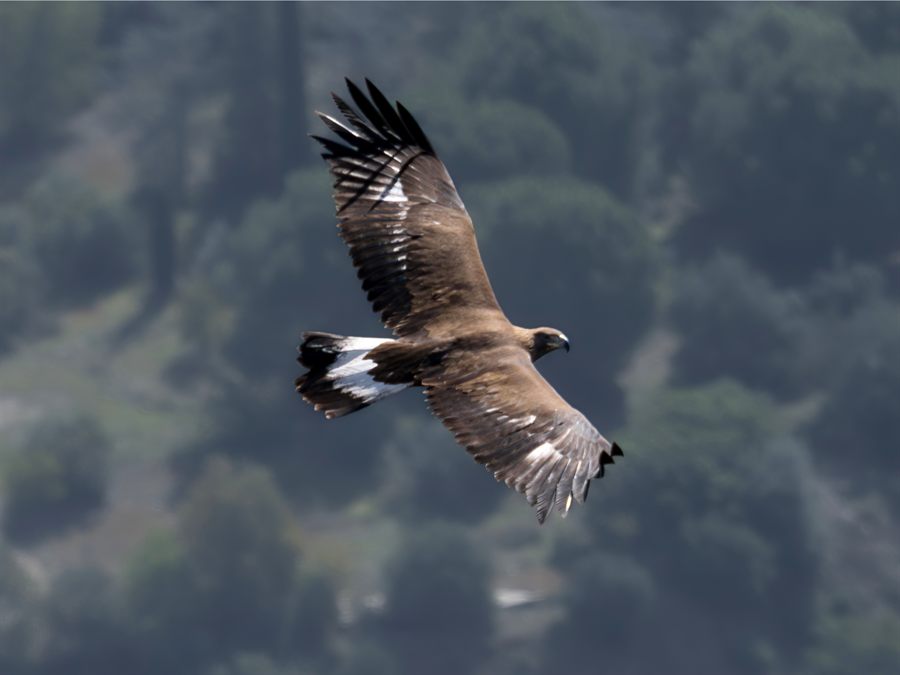
Golden eagle in flight over Peneda-Gerês National Park

EN

Endangered

Golden Eagle

Bird of prey · Aquila chrysaetos

The park's largest bird of prey, nesting on the most inaccessible granite cliffs. Its presence signals a healthy ecosystem. Portugal holds one of Europe's southernmost populations.

Sightings: open rocky areas · all year

Culture & Heritage

A landscape of living memory

Peneda-Gerês National Park is not just about nature. It is also a living museum of age-old cultures — communal villages with collective land management, Roman roads, megalithic monuments and transhumance traditions that have stood the test of time.
fas fa-mountain-sun

Communal villages

Pitões das Júnias and Tourém are unique examples of communal social organisation. The collective management of the baldios — common lands — is a centuries-old practice that survives to this day and is recognised as intangible cultural heritage.
fas fa-cow

Transhumance

Transhumance — the seasonal movement of herds between the valleys and the mountains — has been practised in the park for thousands of years. The brandas and inverneiras, summer and winter villages, bear witness to centuries of itinerant herding.
fas fa-road

Geira — Roman Road XVIII

Roman Road XVIII, known as the Geira, crosses the park. Built in the 1st century AD, it linked Bracara Augusta (Braga) to Asturica Augusta (Astorga) and still has original Roman milestones.
fas fa-monument

Megaliths and dolmens

The park holds a remarkable group of megalithic monuments — dolmens, burial mounds and rock carvings scattered across the mountains — left by the Neolithic and Bronze Age peoples who lived here.
fas fa-church

Castles and sanctuaries

Lindoso Castle, Melgaço Castle and the Sanctuary of Nossa Senhora da Peneda — one of the most important in north-west Iberia, inspired by Bom Jesus do Monte — are the territory's historic and spiritual landmarks.
Peneda-Gerês National Park was created on 8 May 1971 by Decree-Law 187/71. It was Portugal's first national park and is still its only one. Its creation followed decades of effort by Portuguese naturalists and conservationists who recognised the exceptional value of this territory.